Security is usually described in technical terms — grade of steel, type of lock, redundancy of systems. These things matter enormously. But there’s a second, quieter dimension to security that rarely makes it into a specification sheet: how it feels to the person entrusting their valuables to a facility.
The gap between “secure” and “feels secure”
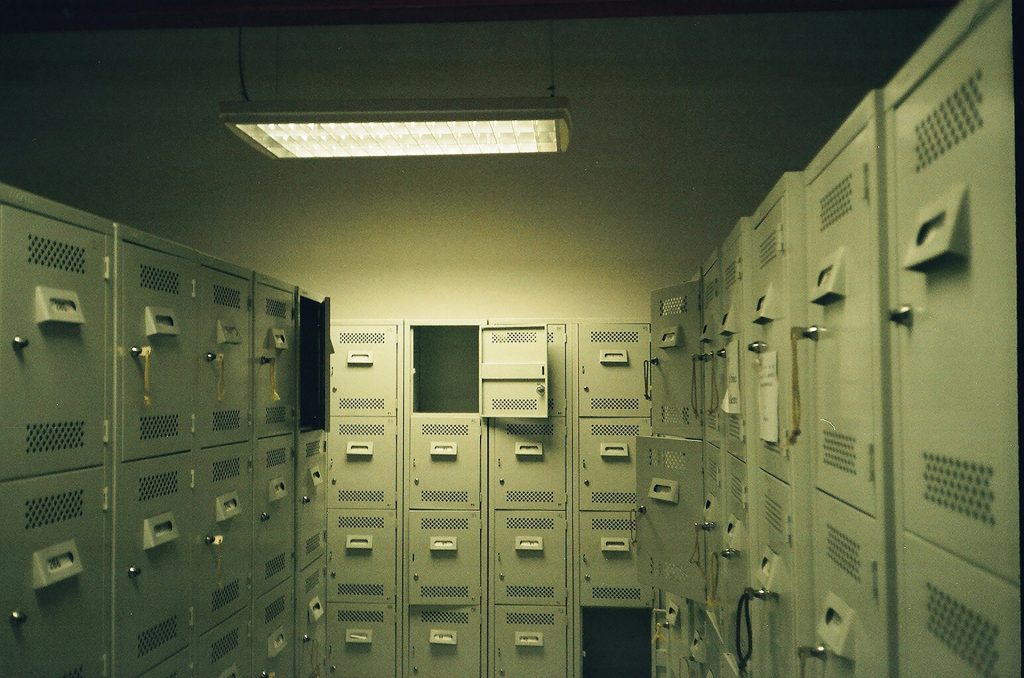
A facility can be objectively well-protected and still leave a client uneasy. Harsh lighting, visible surveillance equipment pointed directly at faces, queues, and impersonal processing — all of these are hallmarks of conventional security theater. They communicate “we are watching you” rather than “we are protecting you.” The distinction sounds subtle, but it shapes the entire client relationship.
True peace of mind comes from a facility that has internalized security so completely that it no longer needs to perform it. When protection is built into architecture, protocol, and culture — rather than bolted on as visible deterrence — clients stop noticing the mechanism and start trusting the outcome.
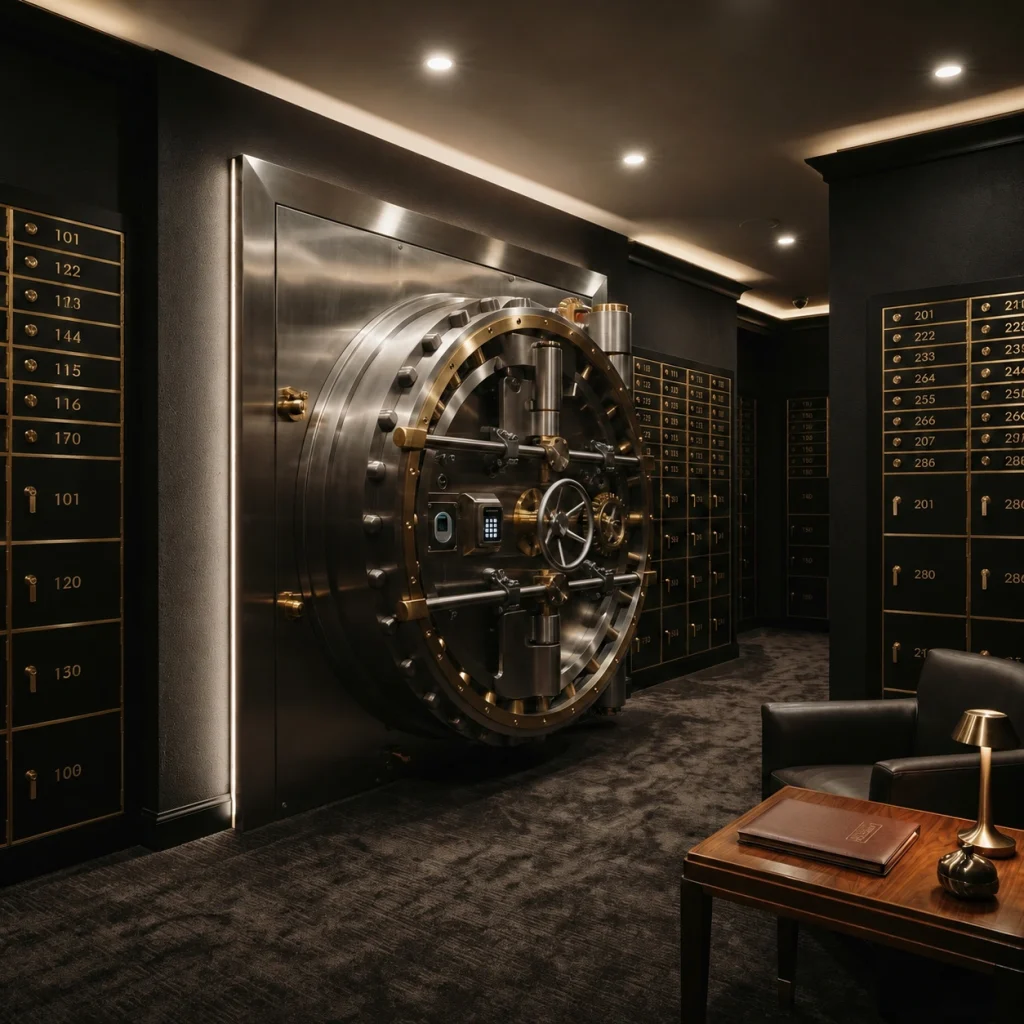
[IMAGE: Close-up of a reinforced vault door or biometric access point. Suggested search: “vault door steel reinforced” or “biometric scanner security”]
Discretion as a form of respect
For clients storing high-value assets — art, precious metals, family heirlooms, critical documents — privacy isn’t a preference, it’s often a necessity. A facility that makes a show of its own security (elaborate signage, visible guards, dramatic entryways) can inadvertently draw attention to what’s being protected, working against the very privacy clients are seeking.
The best private custody environments operate on a “need-to-know” principle not just for access control, but for outward presentation. The building doesn’t announce what’s inside. Neither does the process of visiting it.
What this means in practice
When evaluating a facility, it’s worth asking not just “how strong is the vault” but “how does the space make me feel the moment I walk in.” Do visits require excessive documentation performed in public view? Is there a private, unhurried path from entrance to chamber? Is staff presence felt only when needed, or does it hover?
These softer signals are often the clearest indicator of how seriously an institution has thought through the full experience of trust — not just the mechanics of it.
The takeaway
Physical security and psychological security are not the same thing, but they’re deeply linked. A facility that gets both right doesn’t just protect your assets — it lets you stop thinking about them entirely, which is, in the end, the actual point of custody.